











































































































































How to Stock a Basic Dog First Aid Kit

How to Stock a Basic Dog First Aid Kit
Accidents happen, even to the most careful dog owners. A scraped paw pad on a hike, a minor cut during play, or an upset stomach after getting into something they shouldn't have are all situations where having a well-stocked first aid kit on hand can make a real difference. While a first aid kit is never a substitute for veterinary care, it can help you manage minor issues and stabilize your dog until you can get professional help if needed.
Wound Care Basics
Sterile gauze pads, non-stick bandages, and self-adhering wrap are essential for covering cuts or scrapes without pulling on fur. Pair these with pet-safe antiseptic wipes or spray to clean a wound before bandaging, and keep a pair of blunt-tipped scissors on hand to trim bandages or fur around an injury safely.
Tools for Everyday Emergencies
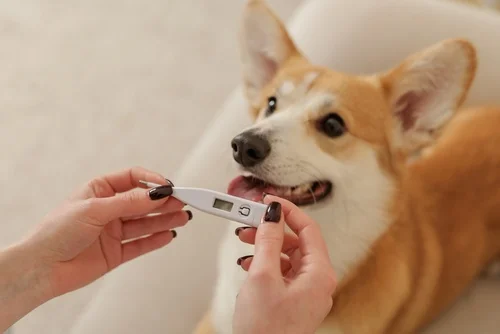
Digital Thermometer: A dog's normal body temperature runs higher than a human's, typically between 101 and 102.5 degrees Fahrenheit. Having a digital thermometer designed for pets on hand lets you check for fever quickly if your dog seems off, giving you useful information to share with your vet.
Tweezers and Tick Remover: A dedicated tick remover tool or fine-tipped tweezers make it much easier to safely remove ticks or splinters without leaving anything behind. Quick removal reduces the risk of infection or disease transmission.
Muzzle or Soft Wrap: Even the gentlest dog may try to bite when they are in pain or scared. A properly fitted muzzle or soft fabric wrap allows you to safely examine or transport an injured dog without risking a bite, both to you and to your dog's comfort.
Saline Solution: Saline solution is useful for flushing debris out of a wound or rinsing irritants from your dog's eyes. It is gentle enough to use liberally and is one of the more versatile items to keep stocked.
Medications and Documentation: Keep a small supply of any prescribed medications your dog takes regularly, along with a printed copy of their vaccination records and your veterinarian's contact information. It is also worth including the number for the nearest emergency animal hospital and a pet poison control hotline, since a stressful situation is not the time to be searching for these numbers.
Where to Keep Your Kit
Store your first aid kit somewhere easy to grab in a hurry, such as a hall closet or under the sink, and keep a smaller travel version in your car if your dog rides along frequently. Check the kit every few months to replace expired items and restock anything that has been used. Having these basics on hand will not replace a trip to the vet for serious injuries, but it can make the difference in how quickly and calmly you are able to respond when something unexpected happens.